
We are writing to share a market update prepared by Howard Crossen of Sentinel Portfolio Management Limited following recent global events. Global markets fell this week, but perhaps not in as deep territory as expected, less than 2% at time of writing.
Oil and gas markets have naturally seen the most eye-catching gains. The Brent crude benchmark was already up 20% this year, before the US and Israeli attacks and is up another 15% this week. Volatility represented by the Vix index was up over a third by Friday’s close and is up a further 20% this week.
Curiously “safe havens” gold and silver are down 4% and 12% respectively. Government bond prices are also down as yields have risen, as investors fear higher inflation and fewer rate cuts than previously anticipated.
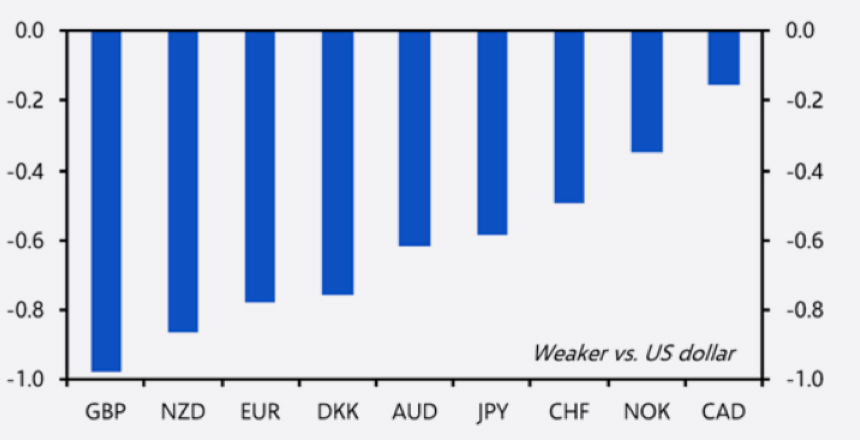
In currencies, the US Dollar has strengthened, as has the Yen and the Swiss Franc.
The moves in markets are a repeat of the previous occasions when geopolitical troubles originate in the Middle East and the biggest question is what happens next. The appointment of another hardline Supreme Leader would increase the likelihood of worst-case outcomes, potentially prolonging the conflict and of course the converse is true.
It is incredibly unlikely that the US will put boots on the ground and with history suggesting that Middle East events are invariably short-lived, with the historical tendency for Iranians to employ an exit strategy at the earliest opportunity and yet claim it as a victory for its people!
One thing we will be keeping a close eye on is the rise in oil prices and the impact on inflation. If the oil price stays between $70-$80 per barrel, this will potentially add about 0.2-0.3 percentage points to the inflation number. However, if prices were to climb to $90-$100, this would add up to 0.7 percent and would reduce GDP for a number of economies. Due to its domestic production, the US is far less exposed than Europe or Asia.
It should be noted that a rise in the oil price above $100 will probably be a tipping point for equity markets and would probably perpetrate an equity market sell off.
In relation to the US Dollar, there has been serious question marks over whether it has lost its safe haven status, which seem to have been answered with the moves versus other currencies since Thursday nights close, as below.
Should things not escalate from the current situation then the higher volatility and a near-term repricing of risk assets in equities is likely to persist, albeit we acknowledge that global equities entered this conflict on 23x delivered 2025 earnings, which is elevated relative to history. There is always the risk of investors that using the current turmoil to take profits out of the technology sector, extending the sell off seen so far this year in the sector.
One last thing to note is that if the oil price does remain elevated, then government bonds may not be the safe haven that investors expect, as the increased inflation risk delays rate cuts. That is particularly important in economies where a greater number of cuts are priced in, such as the US and the UK. Indeed, long-term government bond yields have generally edged higher this morning.
Past performance is no guarantee of future returns. The value of investments may fall as well as risk and is not guaranteed.
Please note that this has been prepared for information purposes only and does not constitute advice or guarantee investment returns.

